Choosing the right colors for your child’s bedroom is more than just picking shades that look cute together. Colors can influence mood, energy levels, focus, and even sleep quality. With the help of color psychology, you can create a space that feels comforting, inspiring, and perfectly suited to your child’s personality. Here’s a simple guide to the best colors for kids’ bedrooms—and why they work.
Soft Blues: Calming and Restful
Blue is one of the most recommended colors for children’s rooms, especially for kids who tend to be active or easily overstimulated. Soft, light blues mimic the feeling of open skies and calm water, helping to create a peaceful environment. This color promotes relaxation, supports better sleep, and encourages a sense of security.
Warm Yellows: Cheerful and Energizing
Yellow brings sunlight into the room, even on cloudy days. It lifts the mood, sparks creativity, and encourages a positive mindset. Soft pastel yellows are great for maintaining balance—they provide brightness without overwhelming the senses. Ideal for playrooms or shared spaces where joy, curiosity, and energy are welcome.
Gentle Greens: Balanced and Refreshing
Green is nature’s most soothing color. It promotes harmony, improves concentration, and has a relaxing effect on the eyes. Light green tones are perfect for kids who need a calm space for studying, reading, or winding down. This color works beautifully in both small and large rooms and pairs easily with natural wood and neutral décor.
Soft Pinks: Comforting and Warm
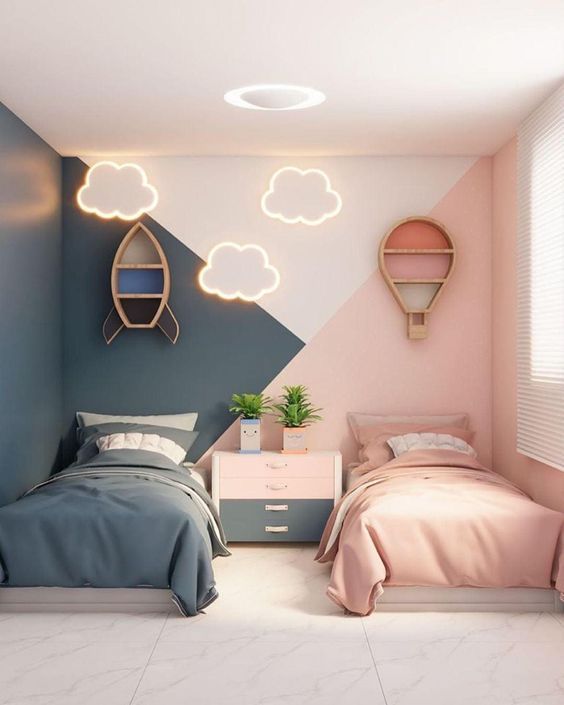
Pink is often associated with calmness, love, and gentle energy. When used in soft shades like blush or rose, it creates a cozy, nurturing feel. Pink can be especially helpful for children who enjoy gentle environments or need a space where they feel comforted and emotionally supported.
Lavender and Lilac: Imaginative and Soothing
Purple tones, especially lighter ones, inspire imagination and creativity. Lavender is known for its calming effect, helping children relax after a long day. It brings a dreamy, magical touch to the room—perfect for kids who love stories, art, or imaginative play.
Neutrals with Pops of Color: Flexible and Timeless
If you want a room that can grow with your child, consider starting with soft neutrals like beige, cream, or light gray. These colors create a peaceful base while allowing you to bring personality through colorful décor, wall art, bedding, and toys. It’s an easy way to refresh the room as your child’s preferences change.
Tips for Choosing the Right Color
Consider your child’s personality: Active kids may benefit from calming shades, while quieter kids may enjoy something brighter.
Test color samples on the wall: Colors can look different depending on natural light and room size.
Keep balance in mind: Bold colors work best as accents rather than full-room shades.
Include your child: Let them choose between a few parent-approved options—this helps them feel connected to their space.
The colors you choose for your child’s bedroom can help shape how they feel, rest, and play. By understanding the effects of different hues, you can create a space that supports their mood, encourages creativity, and helps them feel truly at home. A thoughtfully designed room becomes more than just a place to sleep—it becomes a safe, happy environment where your child can grow